Wear and tear
Humidity, heat, shocks, cleaning, load and opening frequency
The material list may include engineered boards, lacquer, veneer, solid timber, laminate, glass and metal. You will receive a shortlist, not a catalogue to decode alone.
We do not recommend finishing in isolation. The same look may require a different base, edge or hardware depending on the room and frequency of use.
Humidity, heat, shocks, cleaning, load and opening frequency
Colour, texture, grain, sheen and relationship with floors and walls
Ease of cleaning, repair and performance over time
We prioritise what adds value to use and avoid unnecessary extra costs

A manager will review the use, the space and your references to guide you on the appropriate materials
This guide explains the common possibilities. Availability, brand, collection, tone and final specification are confirmed with your project manager
A versatile solution for interiors of wardrobes, kitchens, living rooms and furniture for daily use. They offer a wide variety of colours, woods and textures with easy maintenance
The manager confirms adequate quality, thickness, edge and resistanceAllows smooth surfaces, custom colours and machined fronts. It is common when looking for a continuous, matte or satin composition, with greater design freedom.
The type of lacquer and the preparation are defined according to the piece and its use.It provides grain and natural warmth with greater dimensional stability than a solid piece. It is suitable for living rooms, bedrooms, offices and projects with a more architectural presence.
We select species, cut, tone and varnish togetherIt is used in fronts, structures, mouldings, countertops or details where its resistance and character add value. Its natural performance must be considered from the design
The project manager explains where it makes technical and economic senseHigh resistance surfaces for areas exposed to friction, humidity or frequent cleaning. Available in colours, mineral designs, woods and technical finishes
The specification depends on the room and the support usedStable structural board with characteristic edge, useful in certain technical solutions, visible interiors and furniture with contemporary appearance
Class, thickness and finish are assessed for each applicationThey complement display cases, doors, shelves, dividers and decorative details. They can provide lightness, reflection, transparency or contrast within the same piece of furniture.
Safety, weight, fixing and maintenance are reviewed before defining themHinges, guides, lifts, sliding systems, lighting and interior organisation determine the operation as well as the exterior finish.
The manager sizes them according to load, opening and frequency of use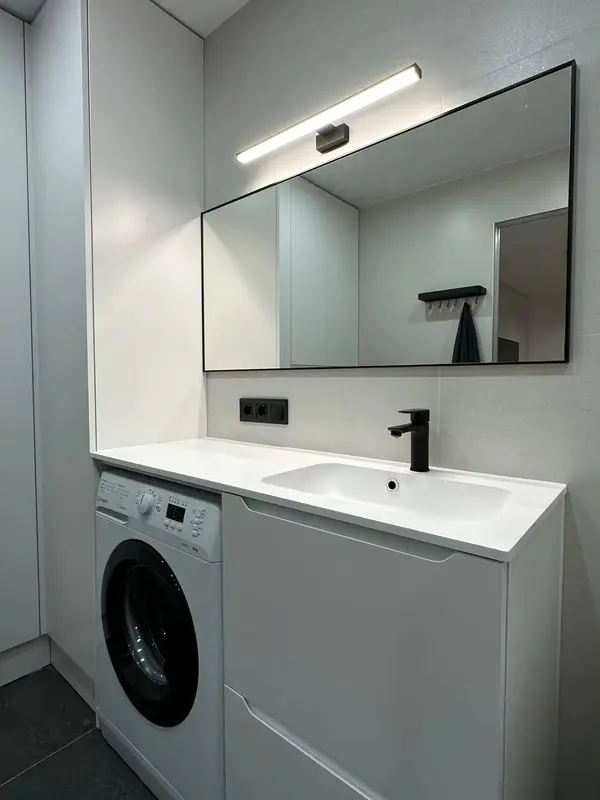 Photo collection
 Furniture inspiration from MMV Estudio
View on Instagram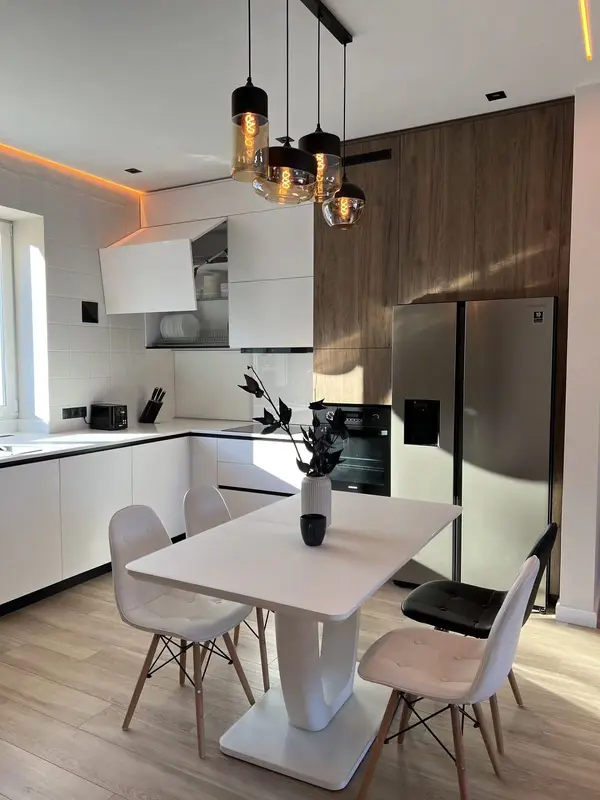 Photo collection
 Furniture inspiration from MMV Estudio
View on Instagram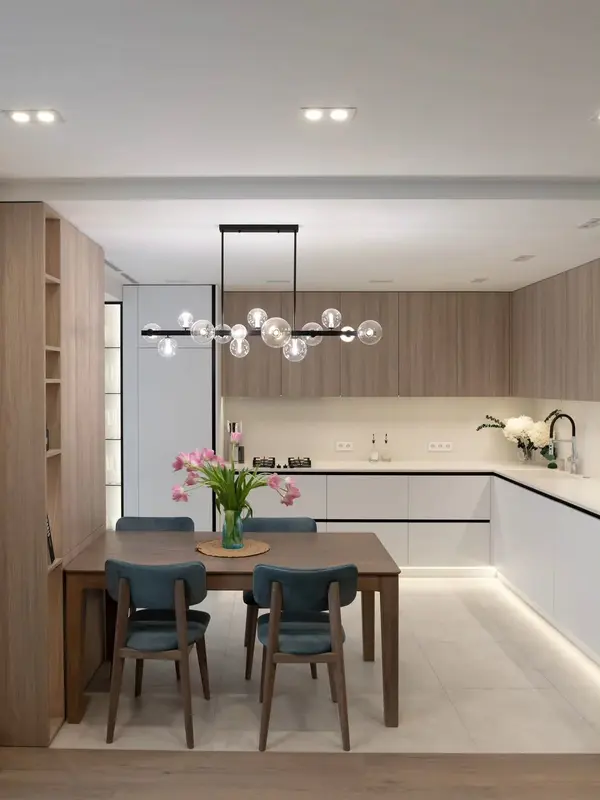 Photo collection
 Furniture inspiration from MMV Estudio
View on Instagram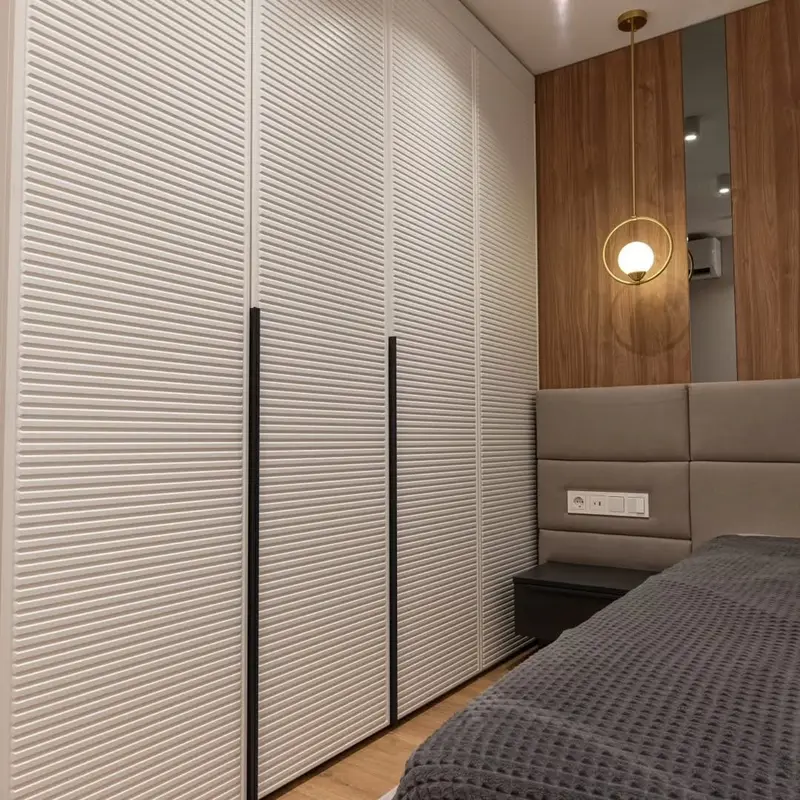 Photo collection
 Furniture inspiration from MMV Estudio
View on Instagram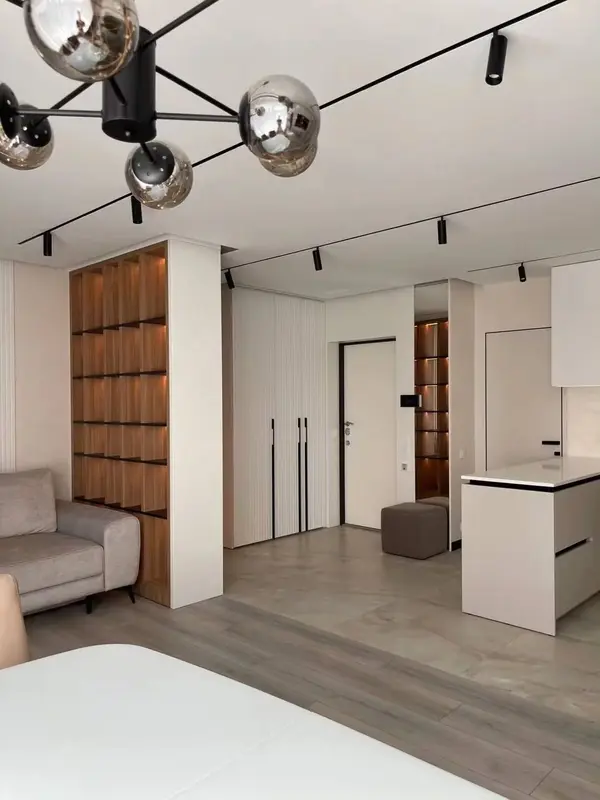 Photo collection
 Furniture inspiration from MMV Estudio
View on Instagram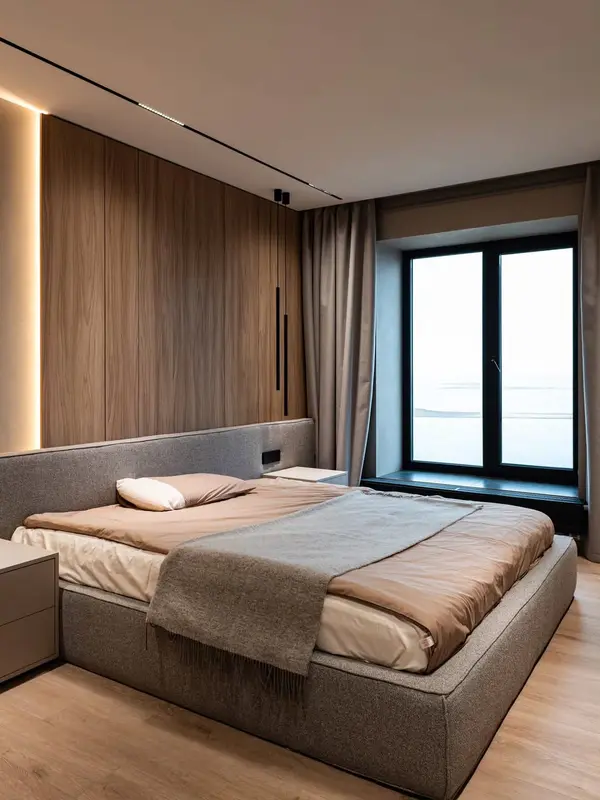 Photo collection
 Furniture inspiration from MMV Estudio
View on InstagramYou don't need to know brands or specifications. With photographs, a reference and an idea of use we can begin a practical material review
We review the stay, approximate measurements, use, visual references and priorities
We filter options by humidity, resistance, cleaning needs, weight, light and budget
We explain relevant differences and propose comparable combinations
Finishes, edges, hardware and details are defined in the final proposal
The exact answer depends on the type of furniture and the conditions of the home.
Yes. It helps us understand the appearance you have in mind. The manager will translate this reference into materials, thicknesses, finishes and systems that can be manufactured and installed in your space.
Not necessarily. Kitchen, bathroom, bedroom and living room have different demands. We can maintain a coordinated aesthetic using different specifications where necessary
Representative samples are compared once the project has a clear technical and visual direction. This is how we compare truly compatible alternatives and not complete catalogues without context
It has an influence, but so do the measurements, the number of modules, the fittings, the machining and the fitting. The manager will tell you where it is worth investing and where there is a more efficient alternative
A manager will review the use, the space and your references to guide you on the appropriate materials
Boards, veneer, lacquer, timber, glass and hardware behave differently once size, load, cleaning and daylight are considered. We therefore shortlist combinations for the actual cabinet rather than asking you to choose from every available finish. In projects around Dehesa de Campoamor, Cabo Roig, La Zenia and Playa Flamenca, samples are reviewed beside retained floors, walls or worktops and the quotation records the agreed surface, edge and hardware level.